Face veneer & core veneer — bulk container export from Vietnam
Commercial trading · raw material for plywood mills
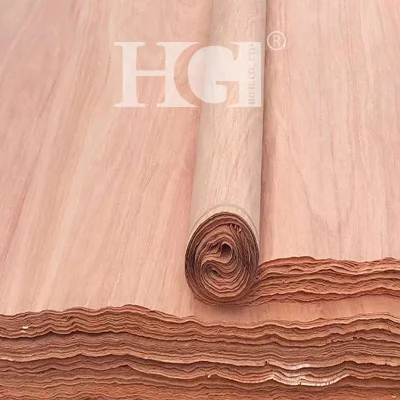
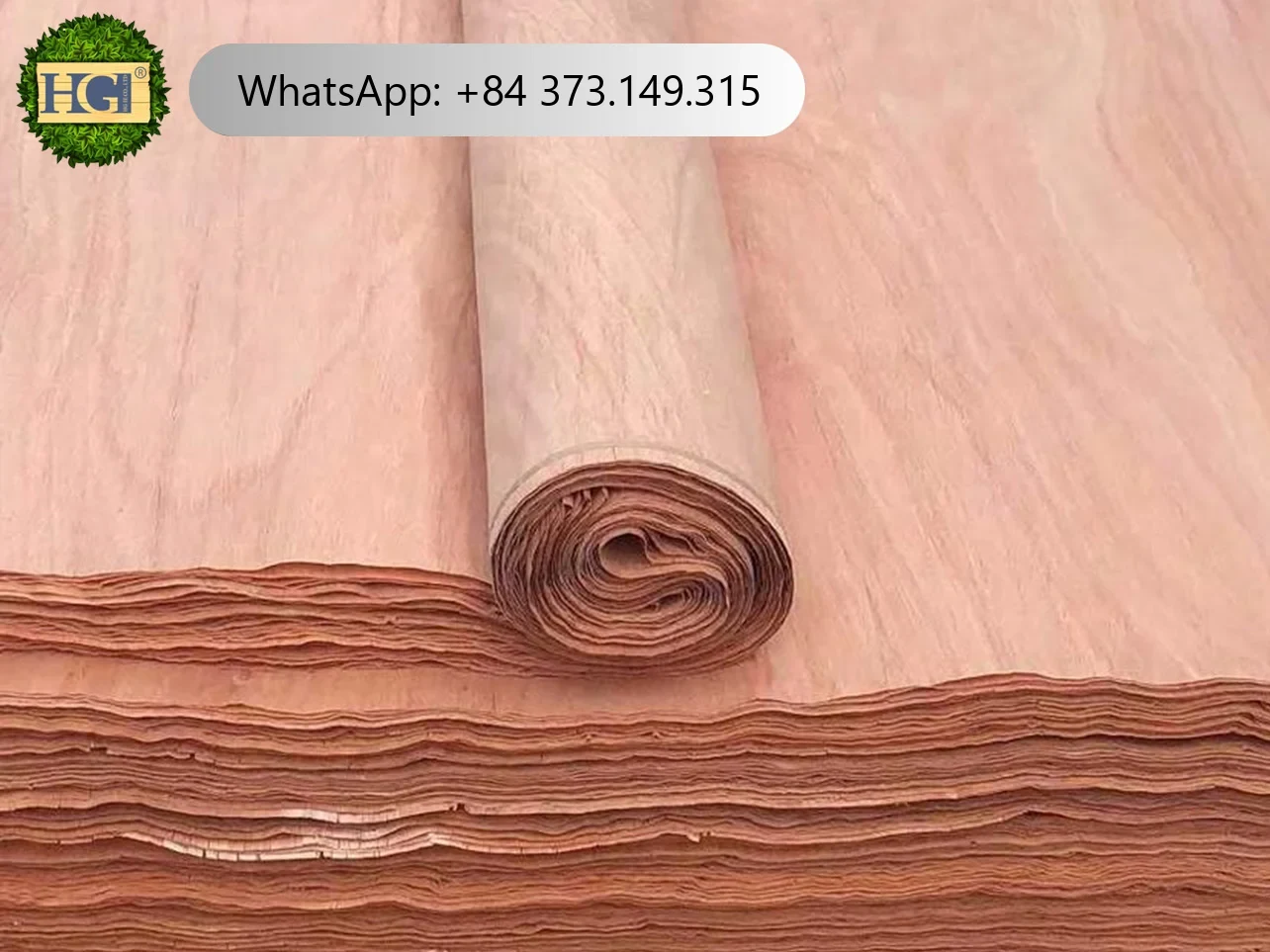
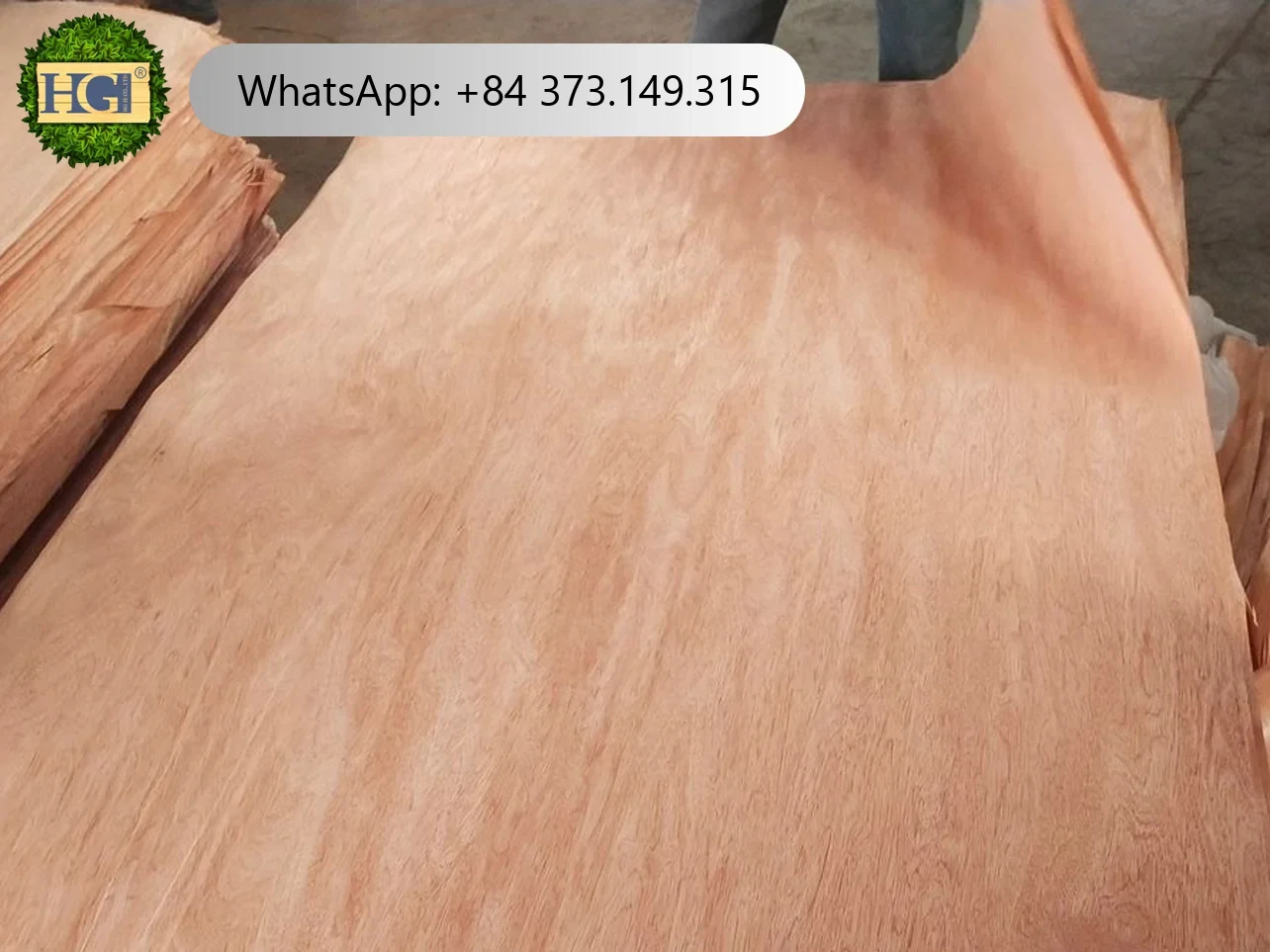
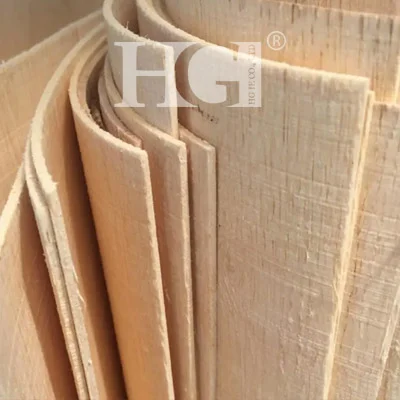
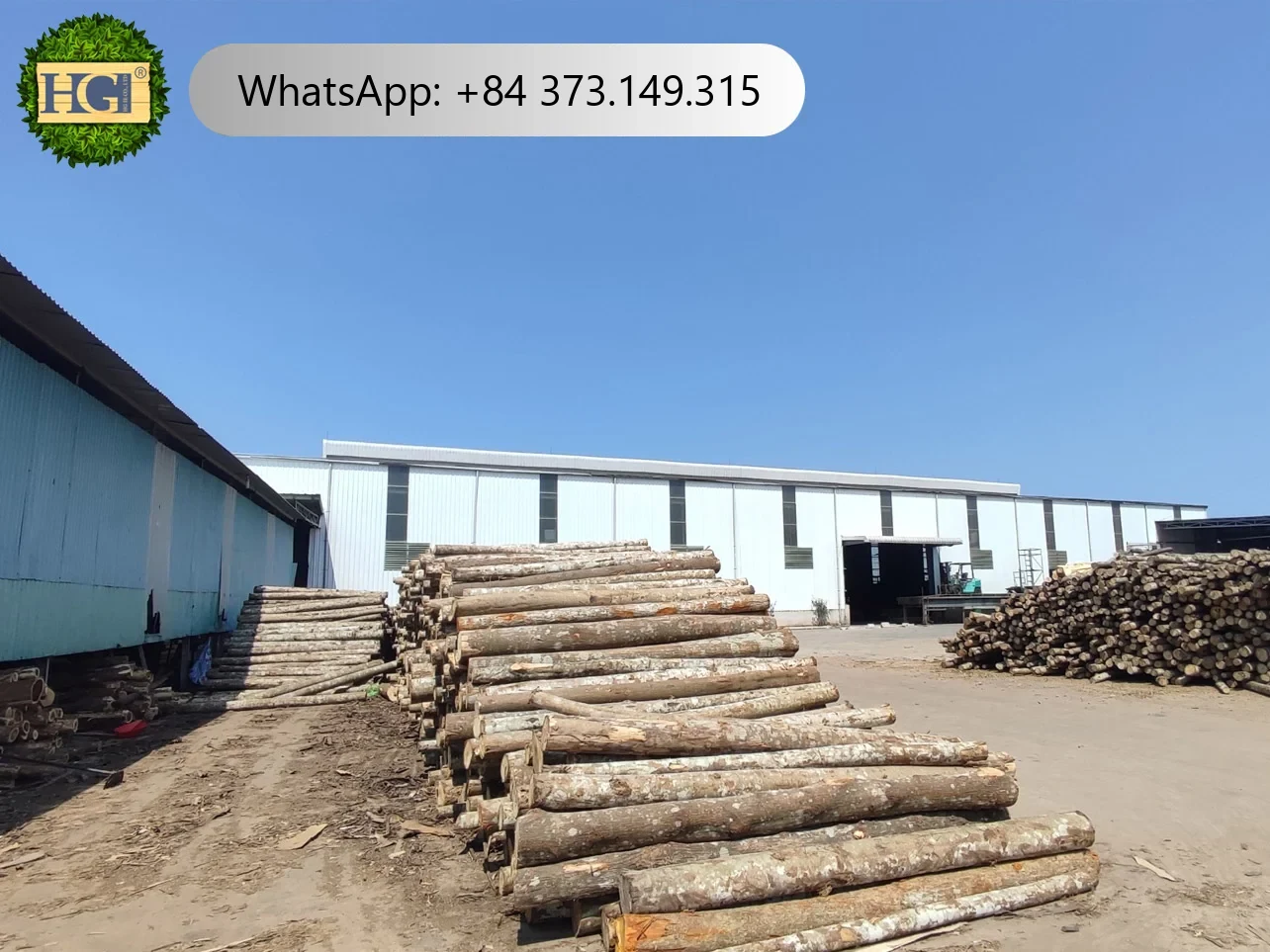
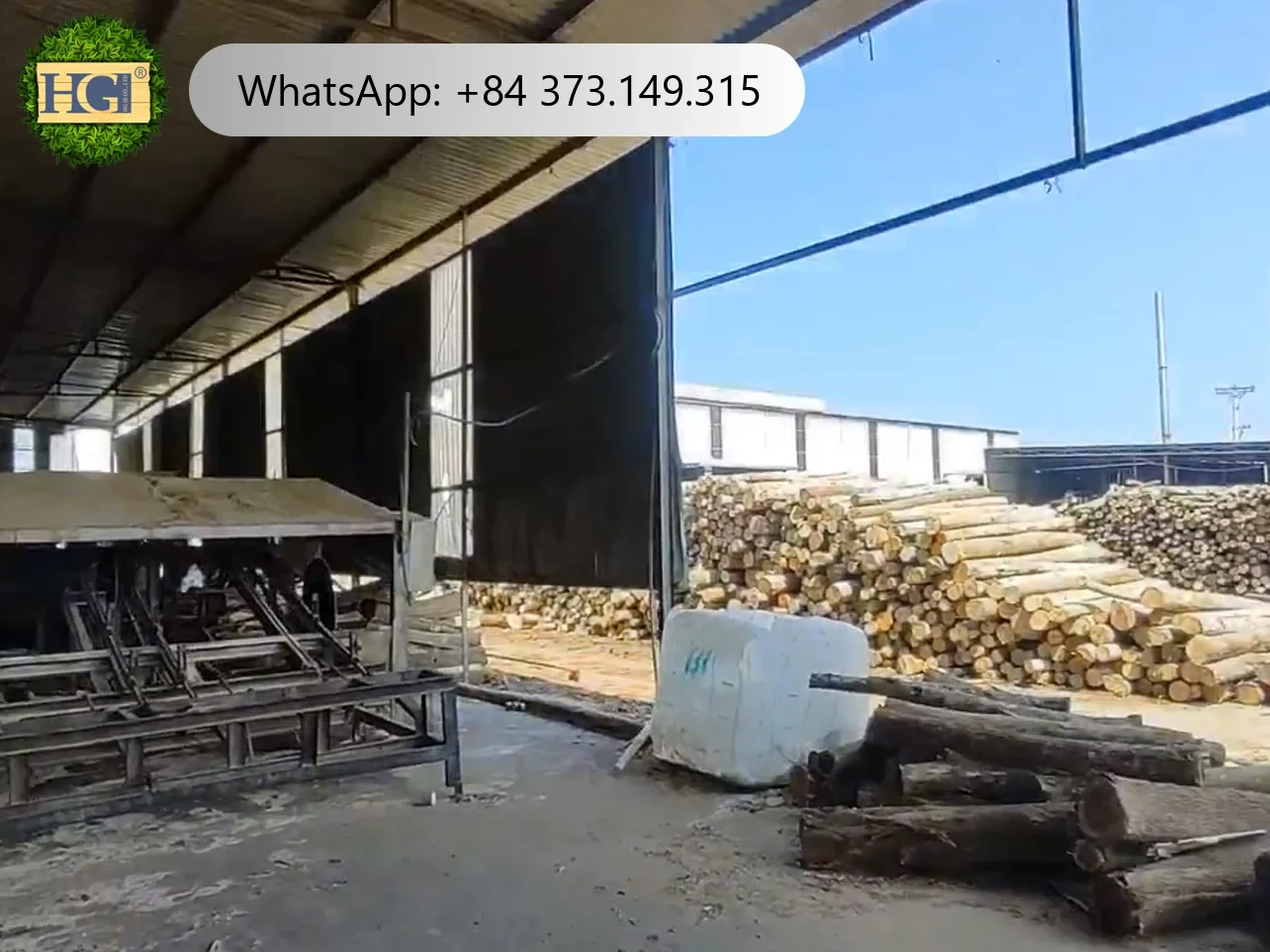
Consistent rotary-peeled Vietnamese Acacia and Eucalyptus core veneer plus face veneer, dried below 15% moisture and bundled for regional plywood manufacturers.
Quick Summary: H&G exports Acacia & Eucalyptus core veneer and face veneer in 20FT/40HC containers from Hai Phong Port with moisture below 15% and 10–35 day delivery lead times.
Below 15% (< 15%) — kiln or sun-dried to export spec
Below 15% (< 15%)
Supply Format
Containerized export pallets (1×20FT / 1×40HC)
Containerized export pallets (1×20FT / 1×40HC)
Lead Time
10–35 days to Hai Phong Port
10–35 days to Hai Phong Port
Veneer cutting methods, matching & grading guide
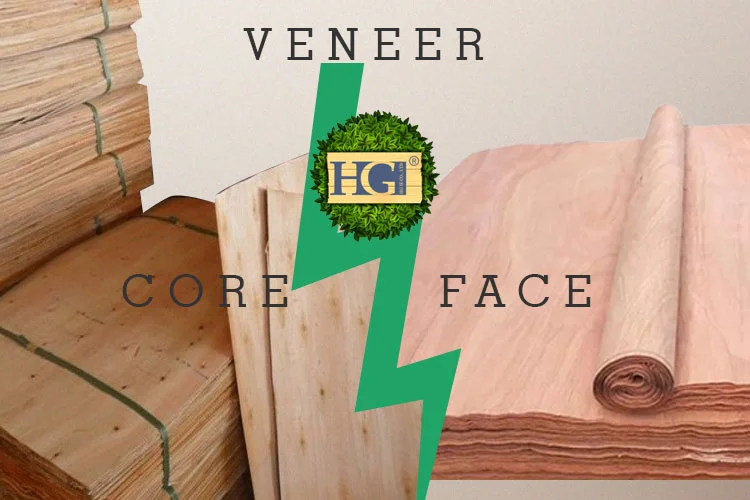
Face veneer is the outer decorative sheet applied to industrial and furniture plywood, while core veneer forms the inner structural layers. Wood species (hardwoods such as Acacia, Eucalyptus, Bintangor and Okoume) and the cutting method together determine grain pattern, color tone and yield.
1. Veneer cutting methods
The same timber species produces completely different grain patterns depending on how the log is peeled or sliced:
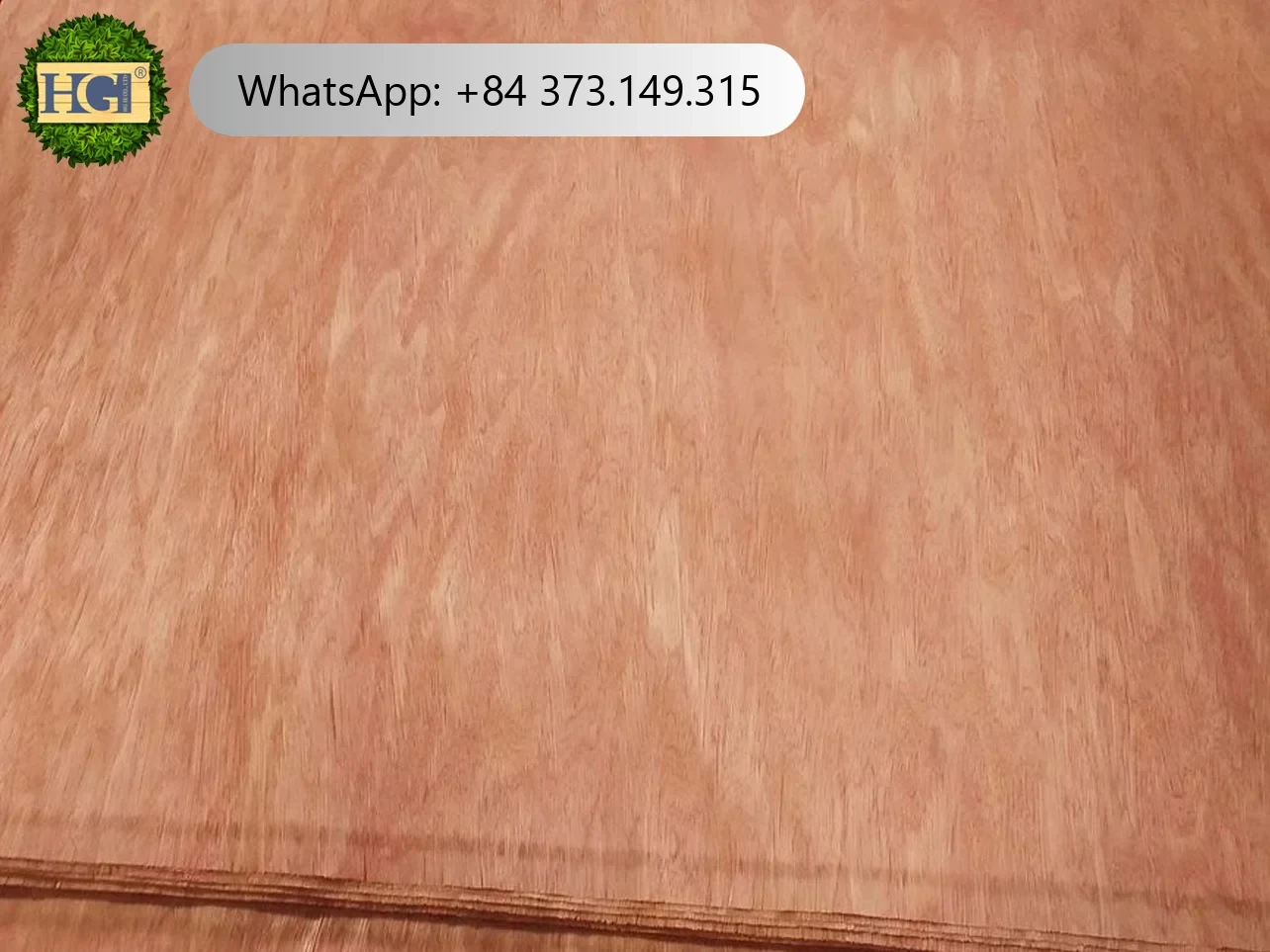
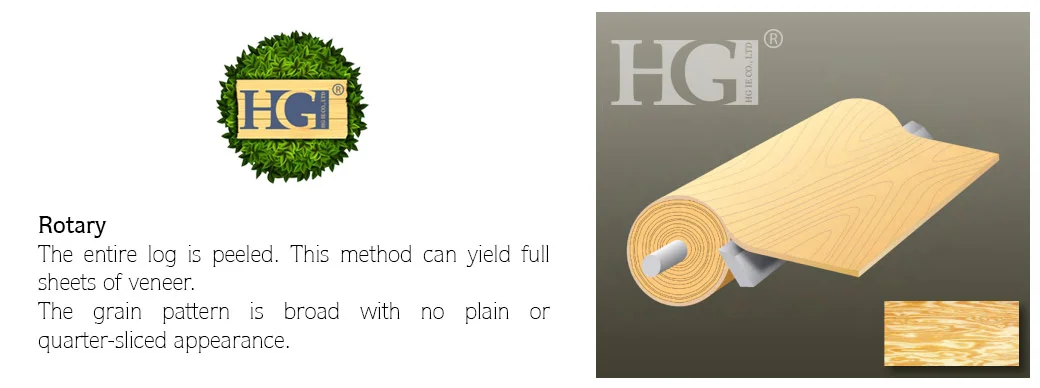
Rotary cut (peeled): The entire log is thinly peeled along its circumference to yield full continuous sheets. The grain pattern is broad and flowing, making it the standard method for Acacia/Eucalyptus core veneer and Bintangor/Okoume face veneer.
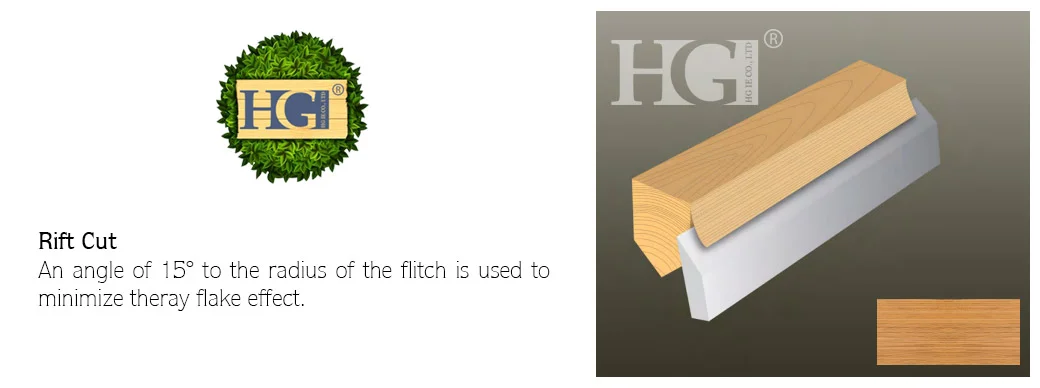
Rift cut: Sliced at roughly a 15-degree angle to the radius of the flitch to produce straight, uniform linear grain and minimize ray-flake figures.
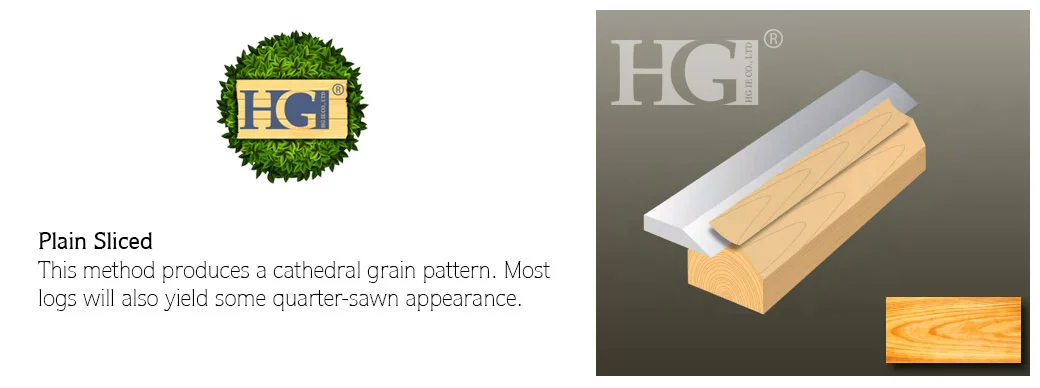
Plain sliced (flat cut): Sliced parallel to a line through the center of the log, creating the classic cathedral grain pattern with some quarter-sawn appearance near the edges.
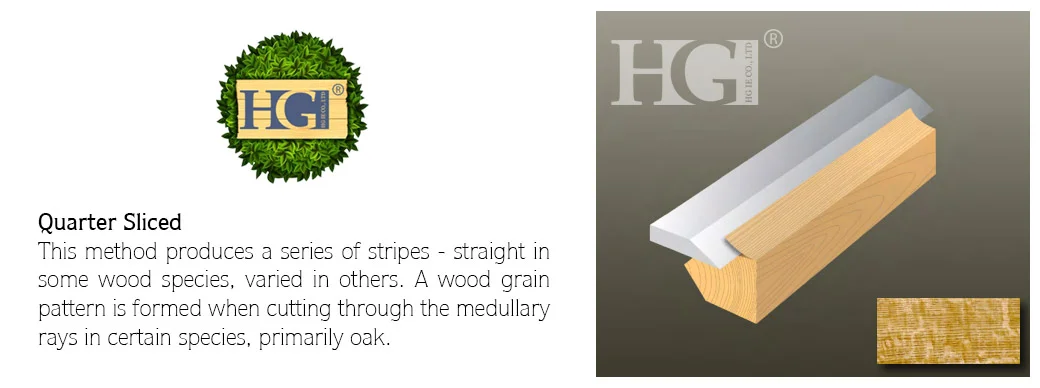
Quarter sliced: Sliced perpendicular to the growth rings, creating straight striped grain patterns (and visible medullary rays in species such as oak).
2. Veneer matching techniques
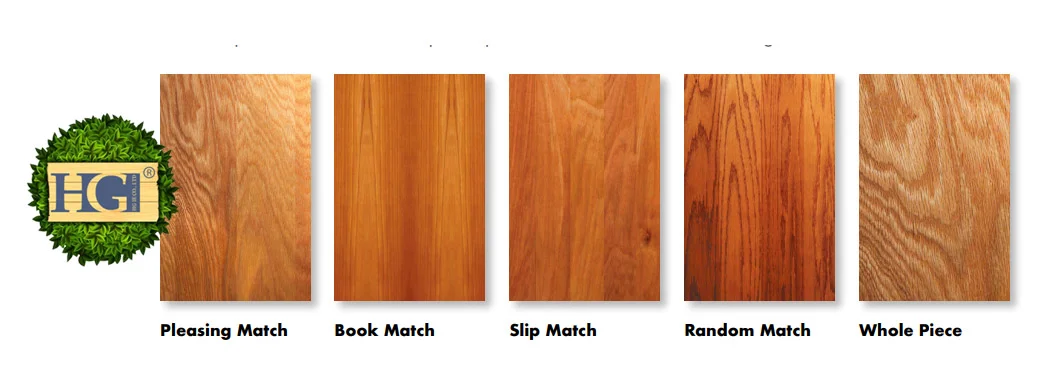
Except for whole-piece rotary faces, individual sliced veneer leaves are spliced together into full panel faces. Common matching layouts include:
Pleasing match: Leaves are matched for uniform color without strict grain symmetry, avoiding sharp color contrast.
Book match: Alternating leaves are flipped like book pages, creating a symmetrical mirrored grain pattern across the panel.
Slip match: Adjacent leaves are placed sequentially without flipping so the grain repeats evenly with uniform color tone.
Random match: Leaves are assembled without matching grain or color for a natural, varied timber look.
Whole piece: A single continuous rotary-cut veneer sheet spanning the entire panel without splice lines.
3. Veneer grading & applications
Grade a+ / a: Cleanest decorative faces for architectural paneling, doorskins and visible furniture surfaces.
Grade b: Natural wood appearance with minor color variation for general interior millwork.
Grade c / d / e: Cost-effective faces and back/inner layers allowing wider color variation and sound repairs where surfaces are hidden or painted.
Common end uses include furniture cabinets and tables, doors and frames, interior wall and ceiling paneling, engineered wood flooring, and plywood pressing lines. For ocean shipments from Hai Phong Port, veneer moisture is controlled below 15% in 40HC containers (16–18 pallets, 26–28 MT, 53–55 m³) with full C/O Form D/VK/AK/VJ/AJ, Phytosanitary, and Fumigation Certificates.
Frequently asked questions
Who typically imports veneer from HG WOODS?
Plywood pressing mills in Malaysia, South Korea, Japan, and regional Asian hubs looking for steady Acacia and Eucalyptus core sheets.
How is moisture controlled for ocean shipment?
All export veneer bundles are checked before container stuffing to maintain moisture below 15%, minimizing blue stain and mold during sea transit.
How is moisture controlled for ocean shipment of veneer?
Veneer is dried and checked below 15% moisture before strapping and container loading to reduce the risk of mould in transit.
Request current veneer grades & thickness availability
Send your required sheet size, thickness (mm), grade, and monthly container demand to our export desk.